Build practical daily routines
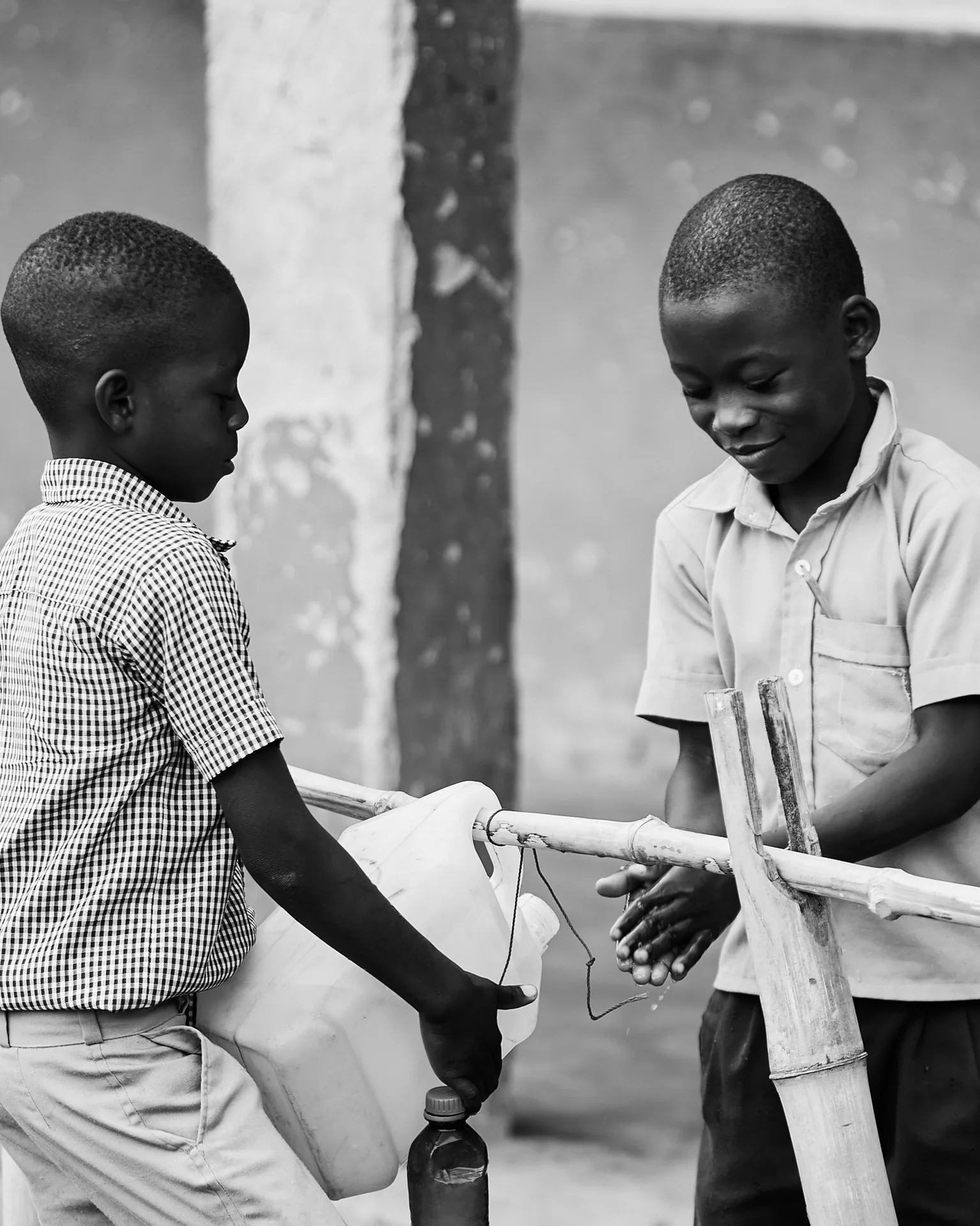
Healthy routines should be simple enough to repeat consistently. Schools can support hand hygiene, safe toilet use, clean drinking water, food hygiene, waste management, ventilation, and safe physical activity.
- Provide or identify handwashing points with soap and safe water.
- Keep toilets usable, private, clean, and accessible.
- Encourage learners to use personal drinking containers safely where appropriate.
- Clean frequently touched surfaces and manage waste responsibly.
- Allow learners who feel unwell to report concerns without fear or embarrassment.
Teach information learners can use
Health education should match the learner’s age, language, and level of understanding. Topics may include hygiene, nutrition, infection prevention, emotional well-being, personal safety, puberty, and when to seek help.
Sensitive topics require trained facilitators, safeguarding measures, and respect for family and school policies.
Respond responsibly to illness and injury
Schools should know who can provide first response, how parents or guardians will be contacted, when professional care is needed, and how emergencies will be handled. Staff should not diagnose conditions or give medicines outside approved policy and authority.
Protect dignity and inclusion
A health condition, disability, menstrual need, or temporary illness should not be used to shame or unfairly exclude a learner. Reasonable support and confidential communication can help learners participate safely and with dignity.